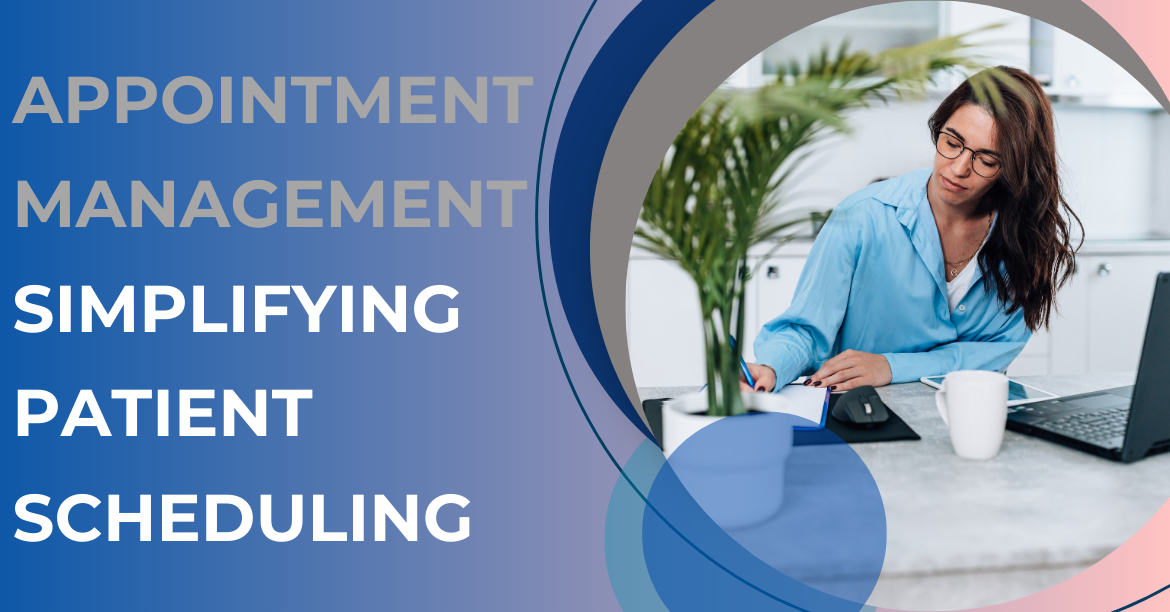
 Appointment Management System
Missed appointments are a common challenge for hospitals, clinics and healthcare providers. When patients fail to attend their scheduled appointments without prior notice, it affects doctor availability, increases waiting times for other patients and results in lost revenue for healthcare facilities.
An effective appointment management system can help healthcare providers address this problem through automated reminders, convenient online booking, appointment confirmations and efficient scheduling.
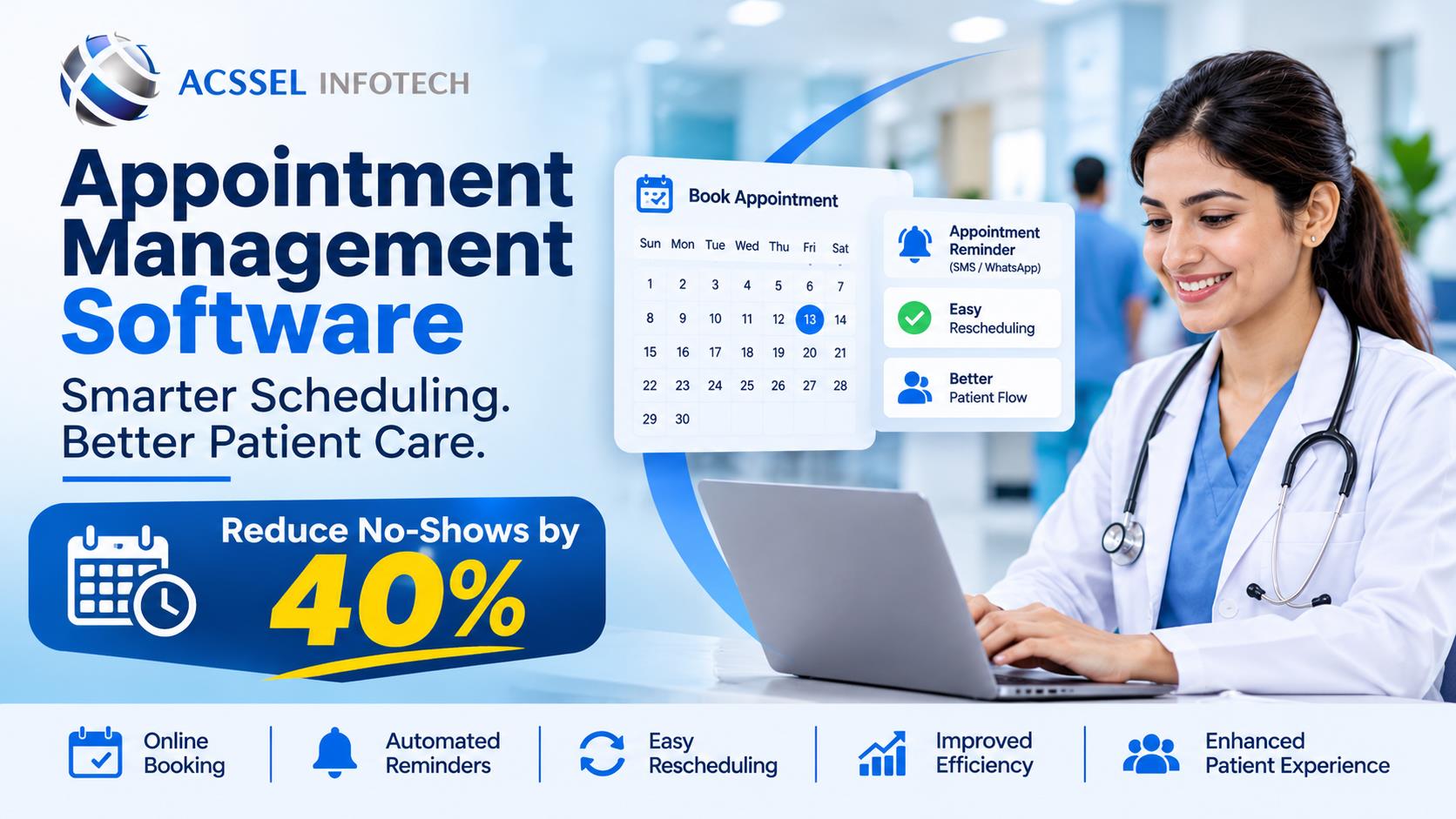
With the right appointment management software , hospitals and clinics can work towards reducing patient no-shows by up to 40%, depending on their existing processes, patient communication methods and implementation strategy.
Let's understand how an appointment management system can improve patient attendance and make healthcare operations more efficient.
An appointment management system is a digital solution that helps hospitals, clinics and healthcare professionals manage patient appointments from a centralized platform.
Instead of depending on manual registers, phone calls and spreadsheets, healthcare staff can use appointment management software to schedule, reschedule, confirm and track appointments.
A modern system typically includes:
These features help healthcare facilities reduce administrative work while providing patients with a smoother booking experience.
Before reducing missed appointments, healthcare providers need to understand why patients do not attend scheduled consultations.
Some common reasons include:
1. Forgetting Appointment Dates
Patients often book appointments several days in advance and forget the scheduled date or time. Without timely reminders, missed appointments become more common.
2. Long Waiting Times
Patients may lose interest in attending appointments when they expect long queues or delays at the hospital.
3. Difficult Booking Processes
If patients must repeatedly call the reception desk to book or change appointments, they may find the process inconvenient.
4. Lack of Appointment Confirmation
Without confirmation messages, patients may forget their booking details or remain uncertain about their scheduled consultation.
5. Unexpected Schedule Changes
Changes in doctor availability, personal commitments and emergencies can also result in missed appointments.
An appointment management system addresses many of these challenges by making appointment communication and scheduling easier.
Reducing patient no-shows requires more than simply scheduling appointments. Healthcare providers need a system that keeps patients informed and makes it convenient for them to attend consultations.
Here are five ways appointment management software can help.
Automated reminders are among the most useful features of appointment management software.
The system can send patients appointment notifications through SMS, WhatsApp or other supported communication channels.
For example, reminders can be scheduled:
These notifications remind patients about their appointment date, time and doctor details, helping reduce forgotten appointments.
Patients prefer convenient healthcare services. An online appointment booking system allows them to schedule consultations without visiting the hospital or repeatedly calling reception.
Patients can check available time slots and select appointments according to their convenience.
This improves accessibility and reduces the workload of front-desk employees.
Sometimes patients cannot attend appointments because of unexpected commitments.
Appointment management software allows hospitals to manage cancellations and rescheduling more efficiently.
When a patient cancels an appointment in advance, the available slot can be offered to another patient. This helps healthcare facilities reduce unused appointment slots and improve doctor utilisation.
Managing multiple doctors, departments and consultation timings manually can create scheduling conflicts.
A centralized appointment management system provides better visibility into doctor availability.
Hospital administrators can:
This helps hospitals maintain a more organised appointment workflow.
Patient communication should not stop after booking an appointment.
Healthcare providers can use appointment tracking and follow-up features to monitor appointment status and communicate with patients.
Staff can identify confirmed, pending, cancelled and missed appointments. They can also contact patients who miss consultations and help them book another suitable time.
This creates a more organised patient engagement process.
When selecting appointment management software, hospitals and clinics should consider the following features:
| Feature | Benefit |
|---|---|
| Online Appointment Booking | Makes booking convenient for patients |
| Automated Reminders | Helps patients remember appointments |
| Doctor Scheduling | Manages doctor availability |
| Appointment Rescheduling | Reduces unused appointment slots |
| Patient Registration | Maintains organised patient information |
| Appointment Reports | Tracks attendance and cancellations |
| Multi-Department Management | Coordinates appointments across departments |
| HMS Integration | Connects appointment workflows with hospital operations |
Choosing software with these capabilities can help healthcare facilities improve operational efficiency and patient satisfaction.
Implementing an appointment management system offers several operational benefits.
Hospitals should regularly monitor appointment performance to understand whether their system is delivering results.
Important metrics include:
Hospitals can compare these metrics before and after implementation to measure improvements.
For example, if a clinic records 100 missed appointments out of 1,000 scheduled appointments, its no-show rate is 10%. If missed appointments fall to 60 out of 1,000, the no-show rate becomes 6%, representing a 40% relative reduction.
The actual result depends on patient behaviour, reminder effectiveness and the quality of appointment management processes.
Acssel Infotech provides healthcare technology solutions designed to support hospitals, clinics and other healthcare facilities in managing their daily operations.
With the right healthcare management technology, providers can streamline administrative workflows, improve patient information management and create a more organised healthcare environment.
When evaluating a healthcare management solution, hospitals should look for appointment scheduling capabilities, patient management, doctor coordination and integration with other hospital workflows.
Explore Acssel Infotech's healthcare software solutions to understand how technology can support more efficient hospital and clinic operations.
Visit : https://www.acssel.com
Patient no-shows affect hospital productivity, doctor utilisation and the overall patient experience. Managing appointments manually can make it difficult to maintain accurate schedules and communicate effectively with patients.
An effective appointment management system helps hospitals and clinics simplify appointment booking, automate reminders, manage doctor schedules and track patient attendance.
By implementing the right appointment management software and monitoring appointment performance, healthcare providers can work towards reducing no-shows by up to 40% while improving operational efficiency and patient satisfaction.
Investing in smarter appointment management is an important step towards building a more organised and patient-friendly healthcare facility.
Appointment management software is a digital solution that helps hospitals and clinics schedule, confirm, reschedule and track patient appointments from a centralized platform.
It reduces missed appointments through automated reminders, appointment confirmations, online booking and convenient rescheduling options.
Yes, depending on the software and its integrations, appointment management systems can support WhatsApp notifications, SMS and other reminder channels.
Yes. Small clinics can use it to manage doctor schedules, organise patient bookings, reduce manual administrative work and improve patient communication.
Hospitals should consider online booking, automated reminders, doctor scheduling, appointment tracking, cancellation management, reporting and integration with hospital management software.
No software can guarantee a fixed reduction. Results depend on existing no-show rates, patient demographics, communication methods, reminder timing and staff adoption.